
Outdoor breaks for your team.
Self-guided walks, audio and outdoor activities your team can use during a break, alone or with a colleague.
Step out. Come back clearer.
Share an invitation through a channel your team already uses. People choose a walk, a recording or a short outdoor activity, then return to their day.
Read the words
This is a short break by a window. Stay right where you are, and let your shoulders drop.
[Quiet for 4 seconds]
Have a look outside. What's the farthest thing you can see from here?
[Quiet for 7 seconds]
Let your eyes rest out there. Is anything moving? A branch, a cloud, a bird?
[Quiet for 7 seconds]
Before you turn back to your day, is there one thing out there you'd like to keep?
[Quiet for 5 seconds]
Take your time coming back. The window will still be here.

One question, one suggestion.
What do you need right now? To clear my head, to calm my nerves, to wake up, somewhere quiet. One walk comes back, made for the day.

Eight minutes between meetings.
Press play and put the phone away. It works from a desk window, on the pavement outside or in the nearest park.
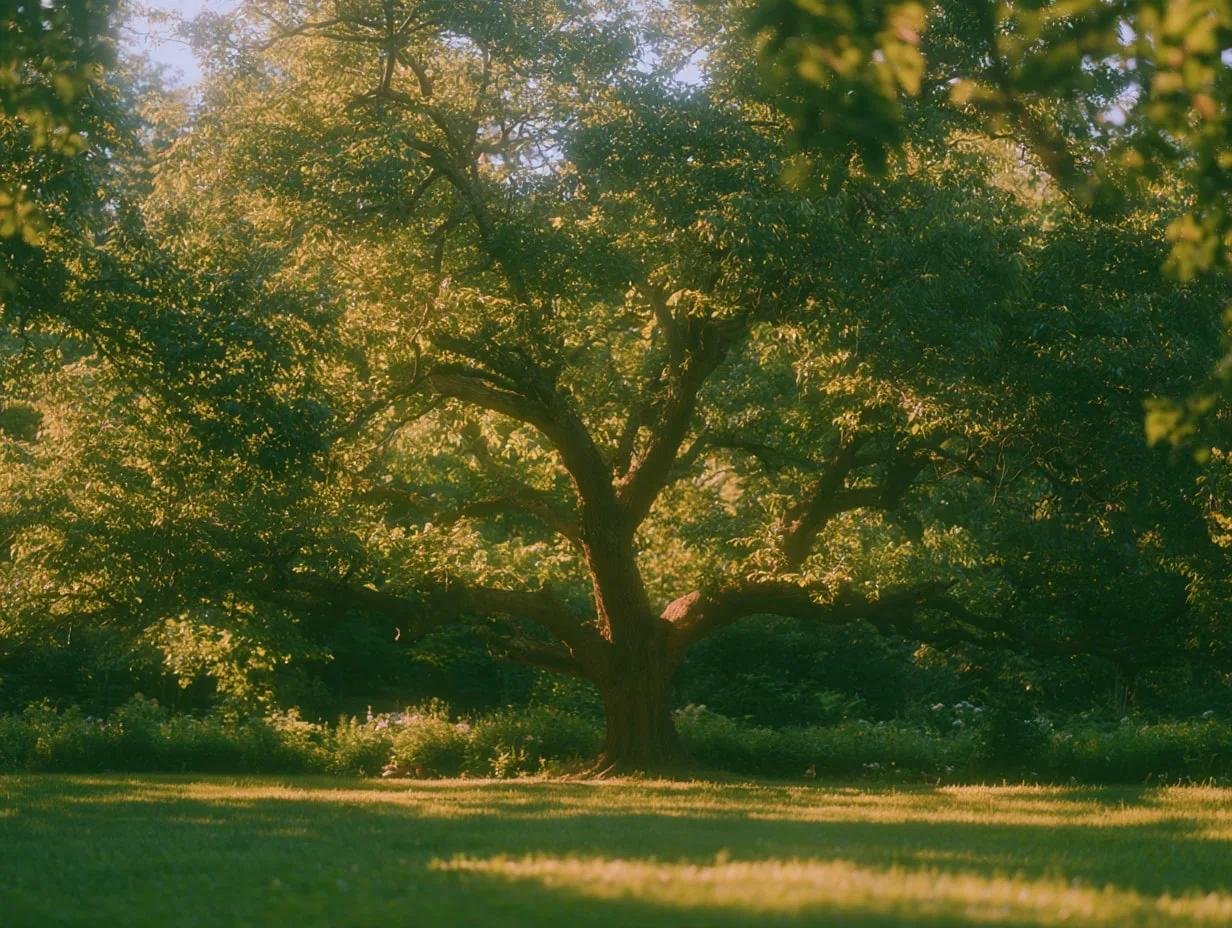
Journeys your team picks.
You choose which walks and recordings your people see first.
Make it possible first.
People need time, a suitable place and permission to step away. A wellbeing offer cannot solve an unmanageable workload. For shift-based teams, break arrangements, staffing and access come first.
Have an office garden or grounds? Add signs that change with the season.
A small sign at a spot worth stopping at. Anyone walking past scans it and listens, with no app and no account. It is the easiest way for a colleague to try this for the first time.
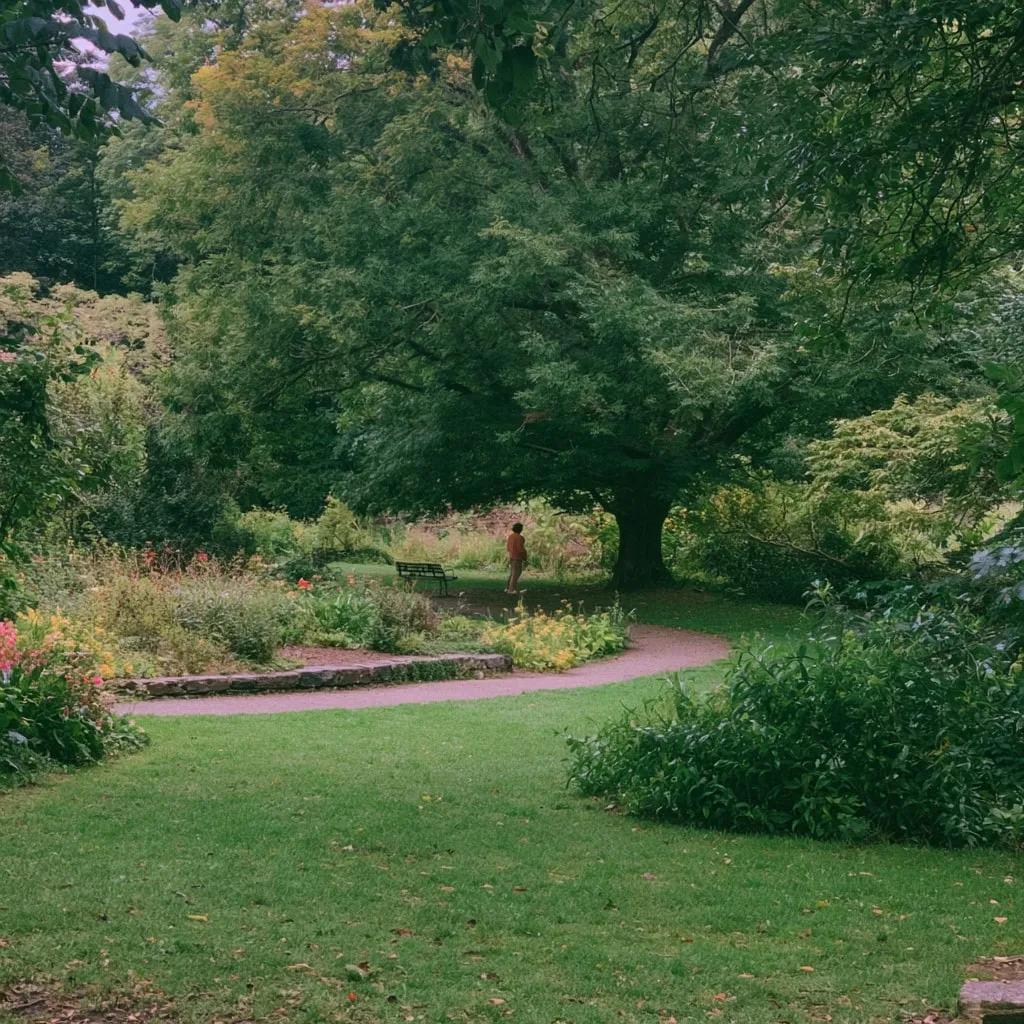
Small amounts of time outside add up.
These are independent studies. They are evidence for time outside, and we do not present them as results from Rewyld. Rewyld supports the habit of going out. It sits alongside counseling, clinical care and your in-person programs, and people still need the time and permission to step away.
All 11 studies and their limitsCommon questions.
- What would a workplace program include?
- Experiences for your team, a way to share them and support getting started.
- How will we know whether it is worth keeping?
- By checking whether employees choose to use it, come back and find it useful.
A program-level review. Nobody is named.
You learn whether people choose to use it, come back and find it useful.
- No individual participation reports.
- Privacy and small-group risks are checked before launch, because numbers about a small team are not automatically anonymous.
- We do not promise productivity gains, health improvements or reduced absence.
Cost
Free for your people
On iPhone and Android, with no paywall.
Nothing to host
We look after the app and the updates.
Agreed before work begins
Content, delivery, reporting and price.
A first program is one team for one quarter.
Talk about your teamLet’s talk about your team.
Tell us how your team works and what you would like to offer them. We will make a short demo with your own places and names.
Opens your email app. Nothing is sent automatically. Please do not include personal health information.