The Trees Have Noticed the Change
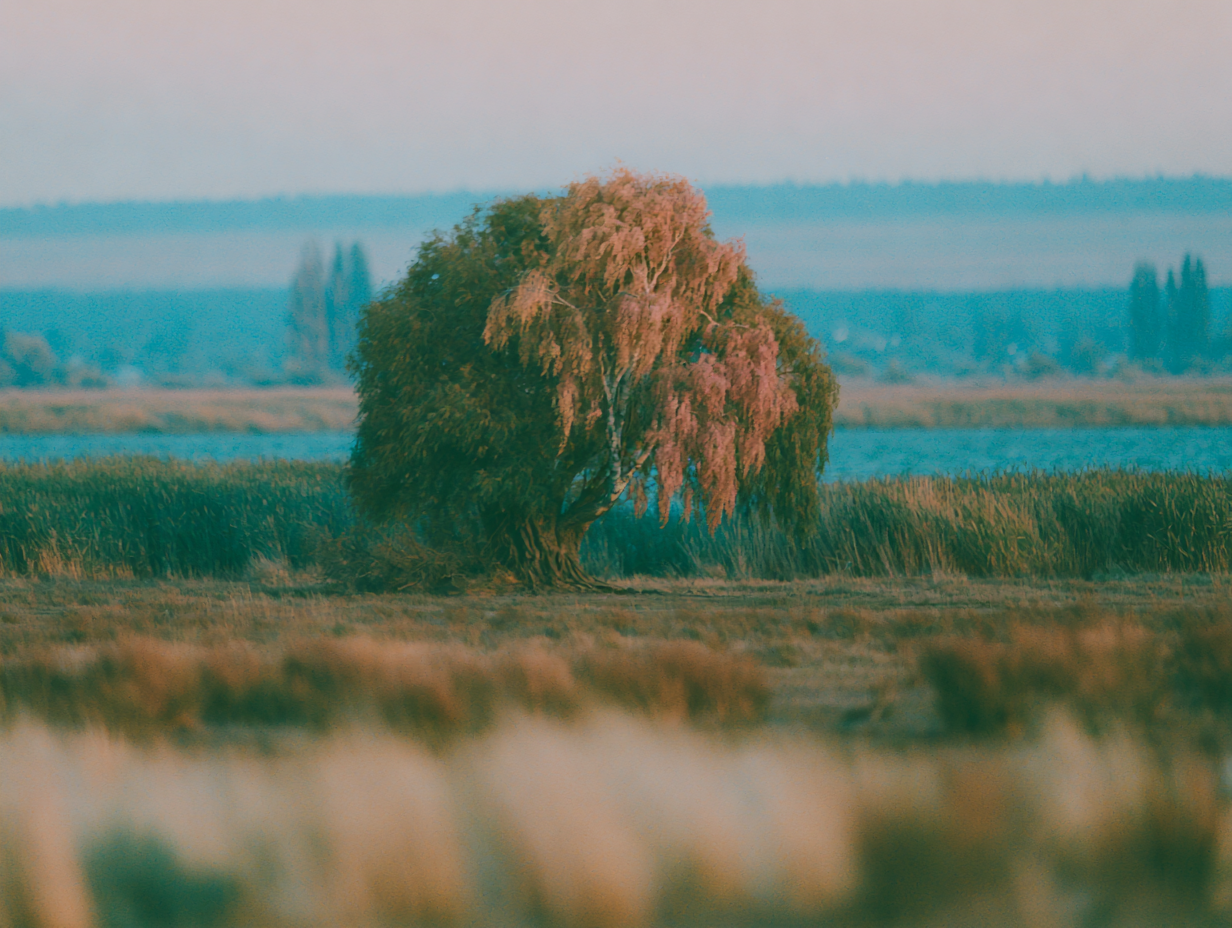
The leaves outside look like summer. They have for weeks and will for weeks more. But the season is already changing in a way the trees can detect.
Free mini practice · no account
Try a free guided mindful walk
Pick three, five, or ten minutes. The browser holds the sequence so you can step outside and pay attention to what is around you.
At the latitude of New York, July 20 has roughly twenty-five minutes less daylight than the summer solstice. Sunset is only about nine minutes earlier. Most of the change has arrived in the morning, quietly enough that the days still feel almost unchanged.
They are not unchanged.
Since the solstice, every night has been slightly longer than the one before. The difference begins in seconds, then accumulates into minutes. We rarely notice it happening.
Plants have ways of registering it.
In 1952, scientists at the USDA research station in Beltsville, Maryland, exposed lettuce seeds to alternating flashes of red and far-red light. A red flash encouraged germination. Far-red reversed the effect. They could repeat the sequence a hundred times, but only the final flash determined what the seed did.
The researchers suspected that some light-sensitive substance inside the plant was switching between two states. They could observe what it did, but they could not yet find it. That took another seven years. In 1959, the team detected and isolated the protein that would later be named phytochrome.
Phytochrome is one part of the system plants use to respond to light and darkness. It helps regulate germination, flowering, growth and the preparation for dormancy. Trees do not need to know the date. Changes in light provide information about where they are in the year.
The process is not identical in every tree. Some species respond strongly to shortening days. Others are influenced more by cooling temperatures, water availability, leaf age and everything that happened earlier in the growing season. Autumn color is not controlled by a single switch.
Still, day length is the one signal that does not depend on the weather. A hot July can become a cold August. Rain can arrive or fail to arrive. But after the solstice, the nights lengthen in the same direction every year.
As summer progresses, these changing conditions help trees slow their growth, form buds and prepare for the colder months ahead. Later, chlorophyll production declines. The green begins to fade, revealing yellow and orange pigments that were present in the leaf all along. Some trees also produce red pigments during the autumn itself.
The colors are not already travelling through every leaf in July. That part of the original story is too simple. What has changed is the signal the trees will use.
Early yellow leaves in August can have other causes. Drought, road salt, damaged roots and disease can all push a tree into premature senescence. A stressed tree is not merely experiencing autumn ahead of schedule. It may be showing that something is wrong.
The quieter change is harder to see. It is present in ordinary green leaves on an unremarkable summer afternoon, while they are still photosynthesizing, still holding water, still doing the work of July.
Go outside near sunset this week. Return to the same place at the same time a week later. The leaves may look identical. The light will not be.
Summer is still here. The trees have already received the next signal.
Have a story to share?
We'd love to hear about your journey with nature and mindfulness.
Share Your StoryA walking meditation app for restless minds.
About five minutes of outdoor mindfulness, anywhere.
Find it on