Goldenrod Didn’t Make You Sneeze
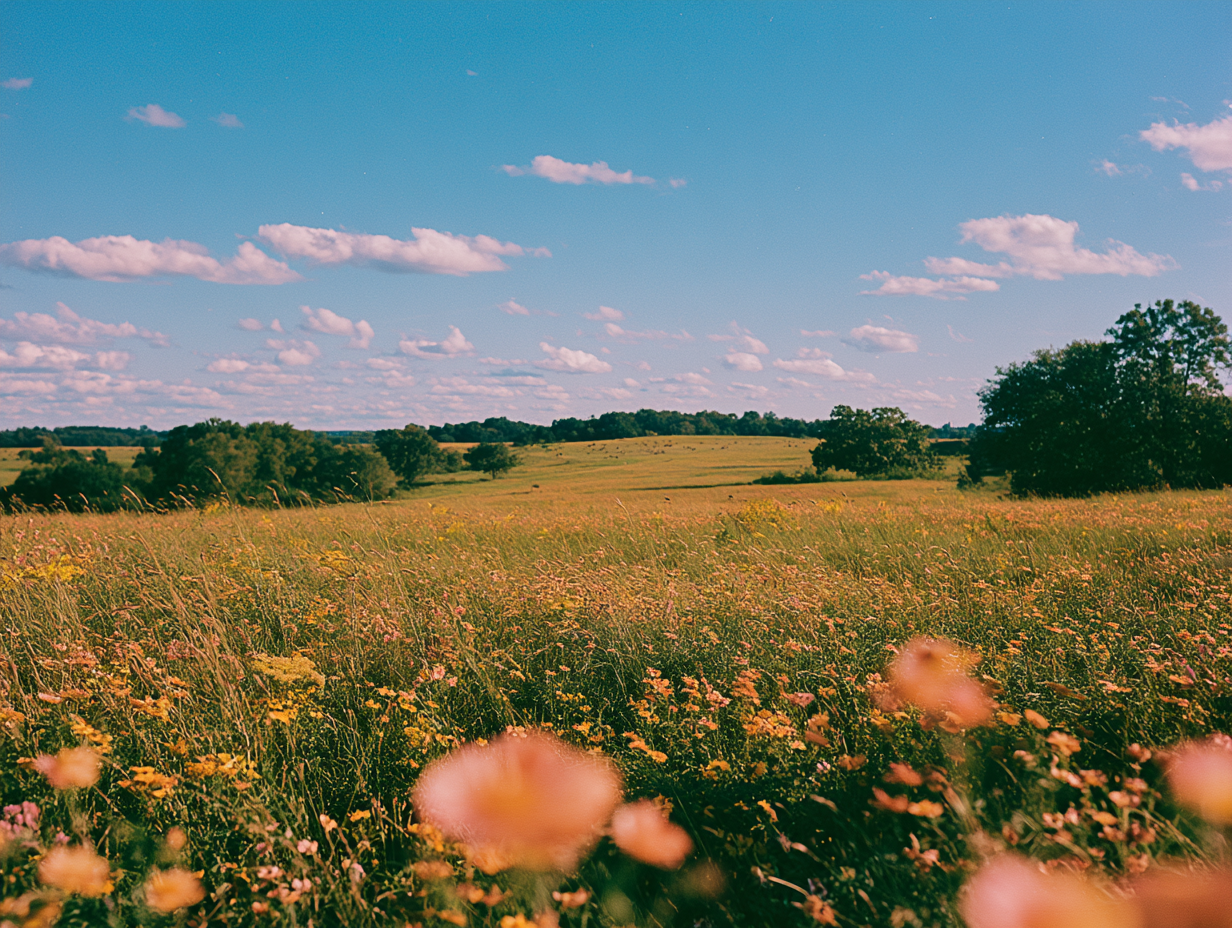
Every August in the eastern United States, the roadsides turn yellow. Goldenrod blooms in dense clusters, bright and unmistakable, and roughly at the same time, people start sneezing.
Free mini practice · no account
Try a free guided mindful walk
Pick three, five, or ten minutes. The browser holds the sequence so you can step outside and pay attention to what is around you.
By late summer, roadsides across the eastern United States begin to turn yellow. Goldenrod blooms in bright, dense clusters. Around the same time, people begin to sneeze.
For generations, the connection seemed obvious. The yellow flowers appeared, the allergies followed, and goldenrod took the blame.But goldenrod is rarely the cause.
Goldenrod is pollinated mainly by insects. Its pollen is heavy and sticky, made to cling to the body of a bee or butterfly and travel to the next flower. Very little of it becomes airborne. Unless you are handling the plant closely, it is unlikely to reach your nose in meaningful quantities.
The more likely culprit is flowering nearby.
Common ragweed blooms during the same part of the year and often grows along the same roadsides, fields and disturbed edges. Unlike goldenrod, it is easy to overlook. Its flowers are small and green, arranged along slender spikes. Nothing about them asks to be noticed. Ragweed does not need to attract insects. It relies on the wind.
A single plant can release up to a billion pollen grains in one season. The grains are light enough to remain airborne and, under the right conditions, travel hundreds of miles. Ragweed season usually begins in August, peaks toward September and continues until the first hard frost.
While goldenrod catches the eye, ragweed fills the air. The mistake makes sense. We tend to blame what is most visible, especially when it appears at exactly the right moment. The quieter cause can be harder to recognize, even when it is all around us.
Learning to tell these plants apart changes the roadside.
Goldenrod becomes what it has been all along: an important late-season food source for bees, butterflies and other pollinators. Ragweed begins to emerge from the background. Its divided leaves and narrow flower spikes become easier to notice once you know what you are looking for.
The next time the roadsides turn yellow, stop beside the goldenrod. Look at the insects moving through its flowers and the pollen built to travel on their bodies. Then look around for the less remarkable plant flowering nearby.
One catches the eye. The other fills the air.
Looking closely does not always confirm what you thought you saw.
Have a story to share?
We'd love to hear about your journey with nature and mindfulness.
Share Your StoryA walking meditation app for restless minds.
About five minutes of outdoor mindfulness, anywhere.
Find it on